

In these brief suggestions, I recommend books that have inspired me and made me grow photographically, but above all humanly, books that tell of realities very far from ours, sometimes closely related or similar to us. I know that not everyone can afford these books, but you can always take a look for free on the websites of publishing houses.
The Last Resort — Martin Parr

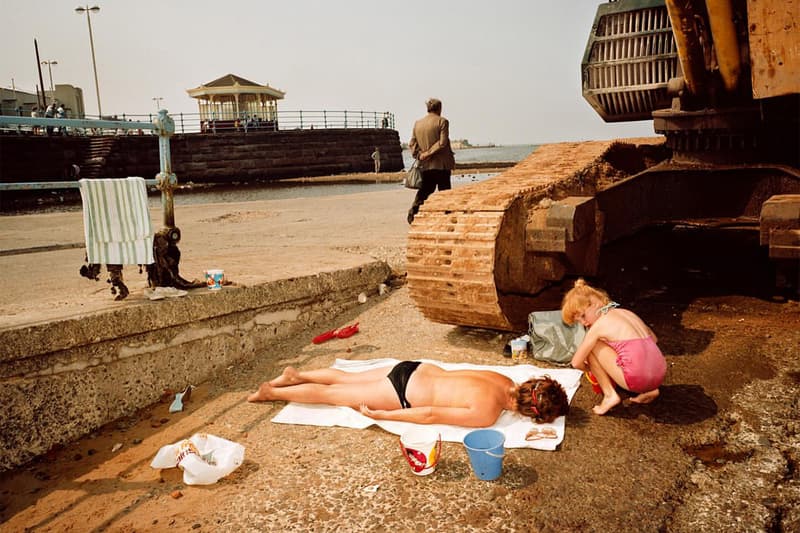
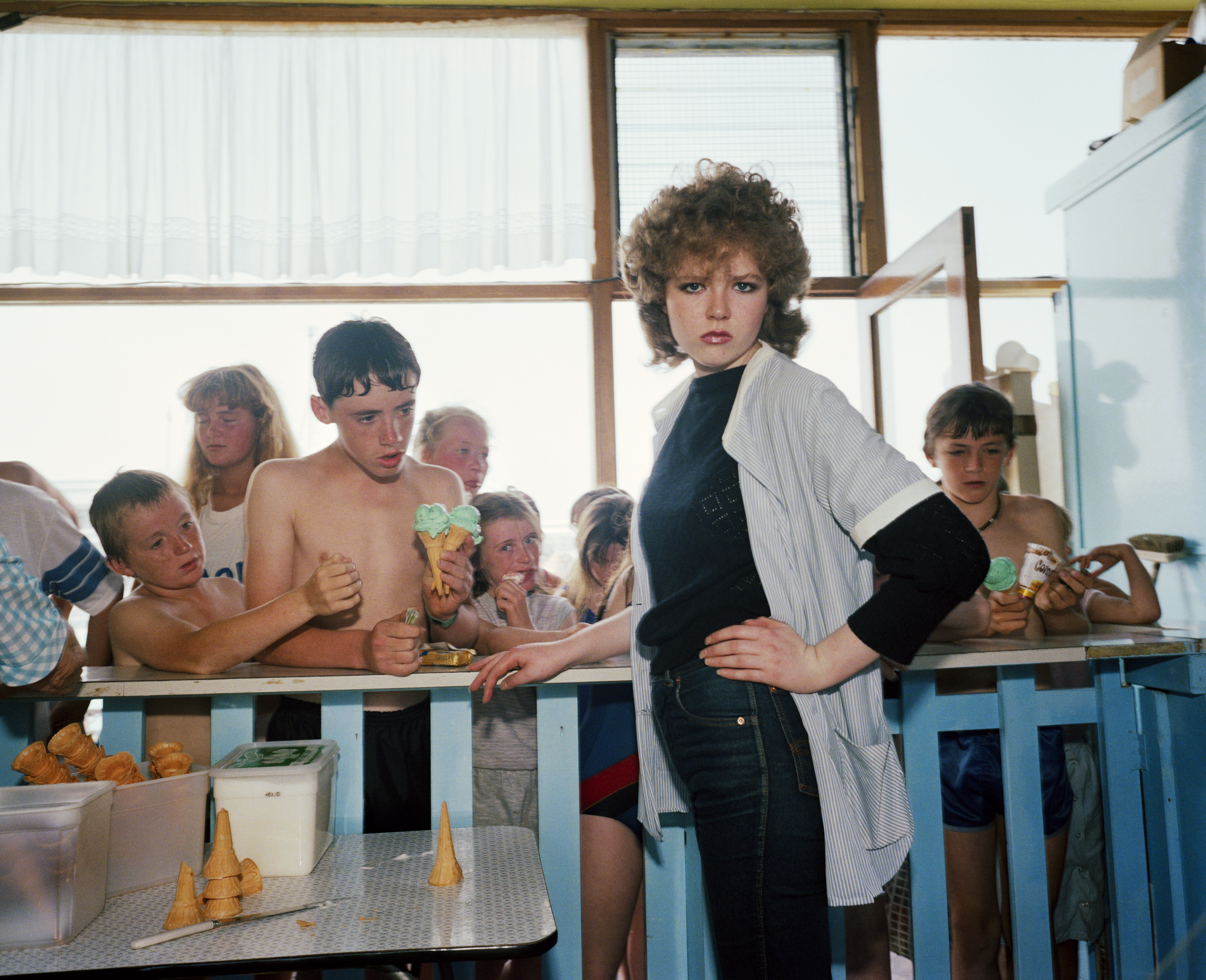
A colorful and ironic look at everyday life in a British seaside town. Martin Parr photographs tourists, families, leisure moments, beaches, food, gestures, and small social details.
The book is important because it shows ordinary life without making it romantic. Parr uses humor, strong colors, and visual irony to show British culture, tourism, and the strange beauty of normal situations.
Kodachrome — Luigi Ghirri

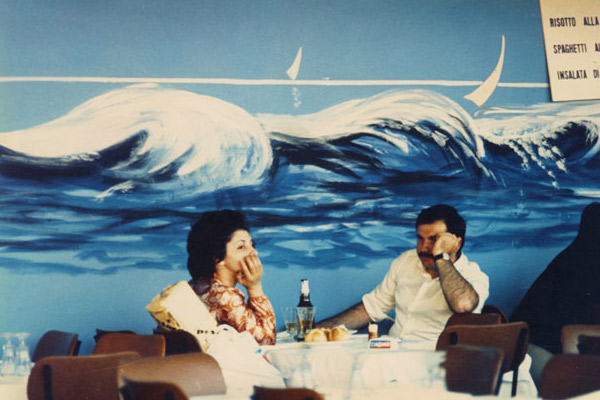

A poetic book by Italian photographer Luigi Ghirri, focused on color, memory, landscapes, architecture, and everyday scenes.
Ghirri transforms simple things into visual poetry. His photography teaches us that beauty does not always need drama. Sometimes it is already there, hidden in signs, walls, streets, landscapes, and small details.
Photographs — Fred Herzog
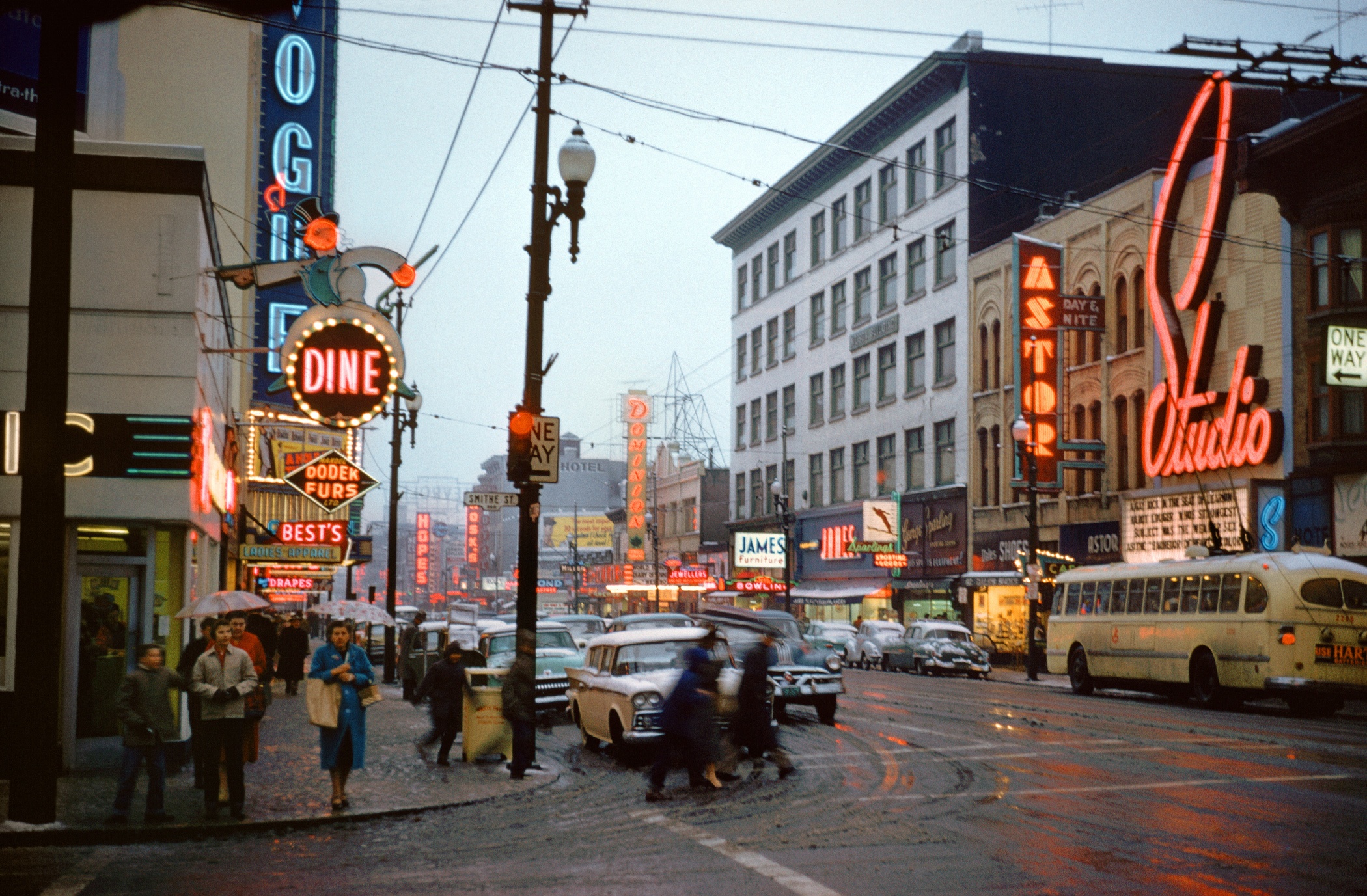
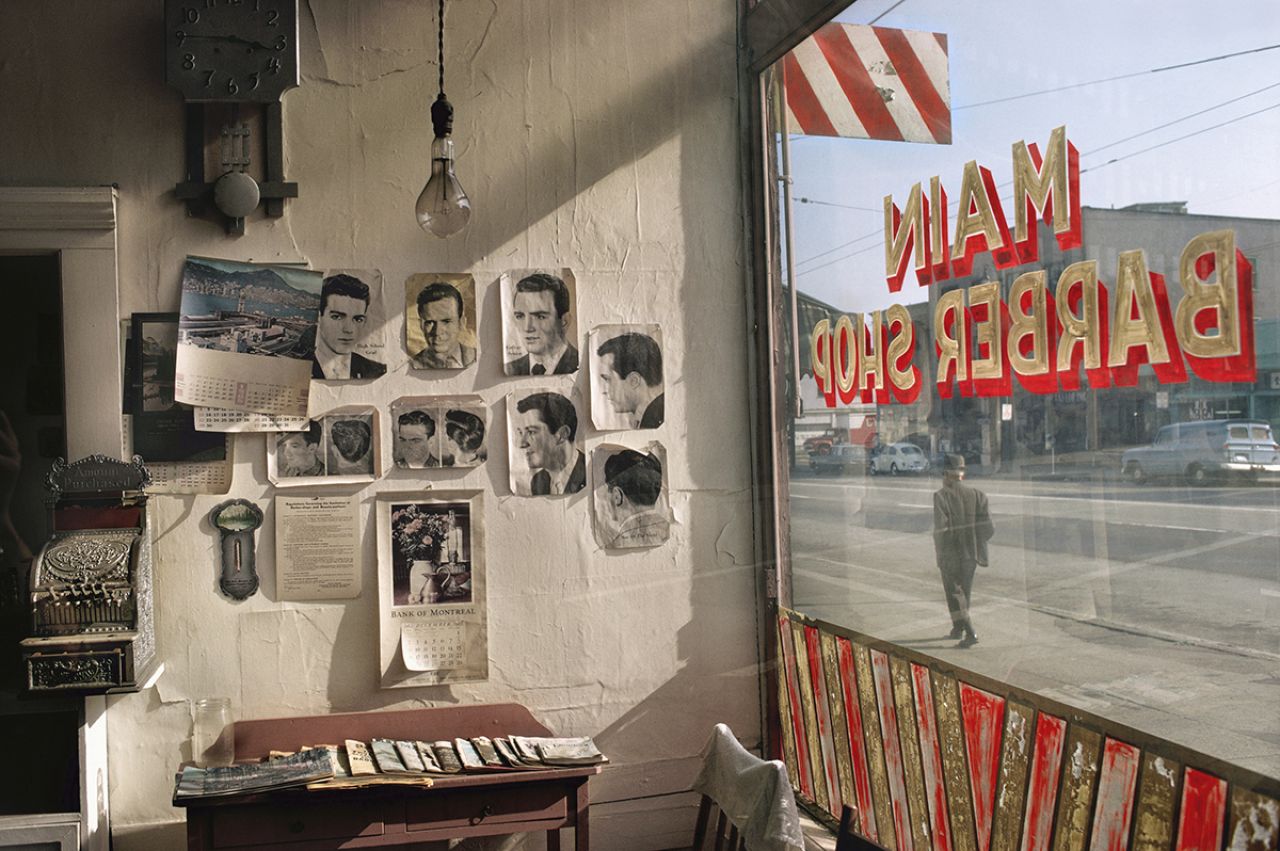
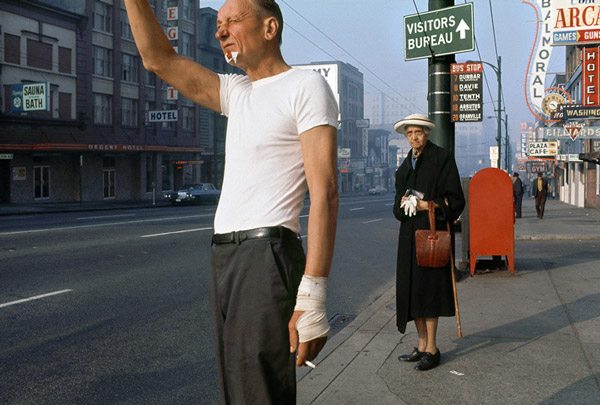
A collection of works by Fred Herzog, known for his pioneering use of color in street photography.
His images capture city life, shop windows, streets, neon signs, people, animals, and everyday urban moments. The book is especially inspiring for photographers interested in street photography, color composition, and the feeling of a city.
The Democratic Forest: Selected Works — William Eggleston

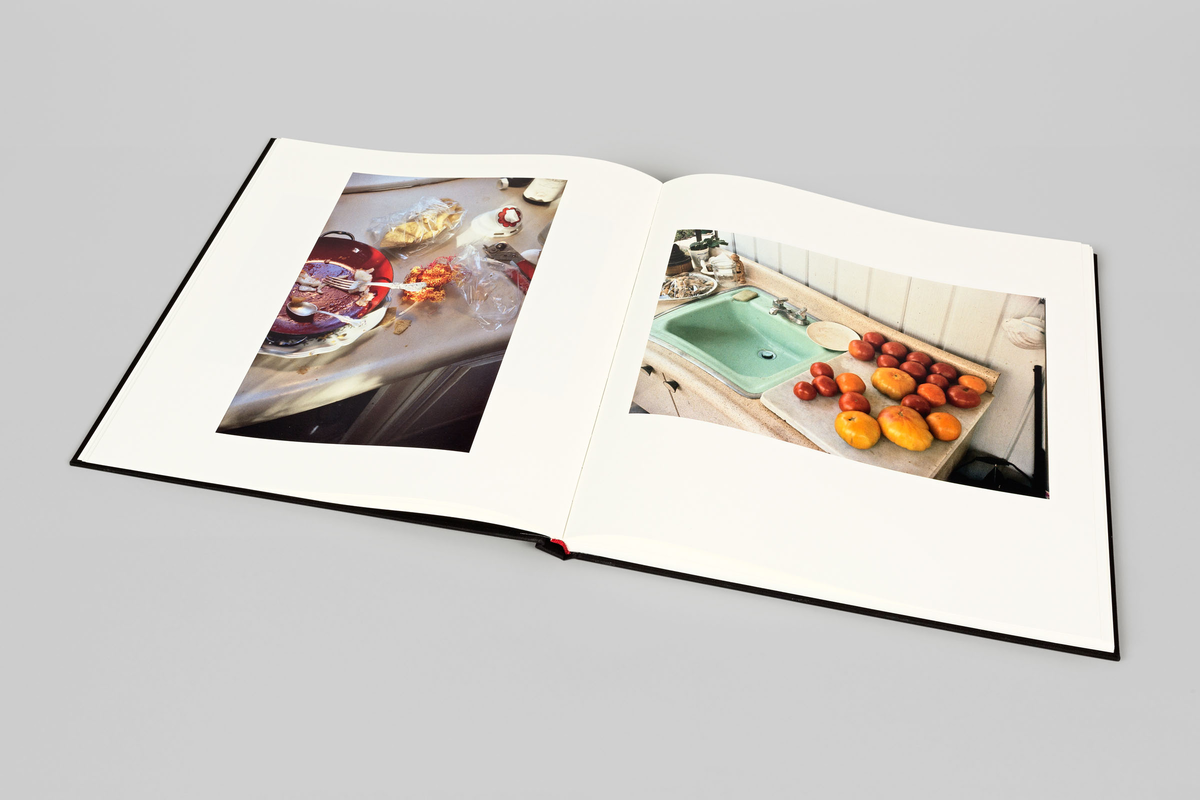
A book by William Eggleston, one of the most influential color photographers.
The idea behind “The Democratic Forest” is that everything deserves attention. A chair, a road, a wall, a room, a person, or a random object can all become meaningful subjects. Eggleston’s work teaches photographers to look at the ordinary world without hierarchy.
-
These books are recommended because they show different ways of seeing. Each photographer uses color, composition, and personal vision to transform everyday life into something meaningful.
The article suggests that photography books are not only objects to collect. They are tools to train the eye. They help photographers understand how different artists observe the world, and how ordinary reality can become powerful when seen with attention.
Source checked: the article is “#02 – Inspirational Photography Books”, published by Emiliano Vittoriosi on February 1, 2023
Document the workflow
Create one folder or note for #02 - inspirational photography books and keep the relevant photographs, frame numbers, camera settings, processing instructions and scan versions together. Give files descriptive names and preserve the original delivery before making edits. If another person helps later, this record shows what has already been tried.
Documentation does not need to be complicated. A phone photograph of the negative strip and six lines of notes are enough to prevent the same uncertainty from returning on the next roll. For an archive or commercial job, add dates, responsible people and where the physical material is stored.
When to ask for professional help
Professional help is useful when the next action is irreversible, the material is unique, or the same problem repeats after a controlled test. Bring the complete context for #02 - inspirational photography books: camera or format, film stock, exposure index, full negative sequence, original scans and order details. This gives the technician evidence instead of a cropped symptom.
Ask for a diagnosis before asking for a repair or rescan. A clear explanation of what is physically present, what can still be changed and what should be tested next protects both the photographs and the budget.
What this story adds to analogue photography
#02 - Inspirational Photography Books is not only a profile or recommendation; it shows how photographic practice grows through repetition, curiosity and contact with other people. The useful lesson is to notice the decisions behind the work: why a camera was chosen, how editing changed the sequence and what the photographer learned from the physical negative or print.
Readers can use those decisions as questions for their own practice without copying another person's style.
A simple reflection exercise
- Choose one image or idea from this article that stays with you.
- Describe what attracts you without using technical language.
- Identify one practical choice behind that feeling.
- Make a small shoot, edit or print that tests the same question.
- Write down what changed when the work became physical.
This turns #02 - inspirational photography books into a starting point rather than something consumed and forgotten.
Build a personal reference library
Keep notes about photographers, books, conversations, exhibitions and prints that influence you. Record the exact image, page or idea rather than only the title. Over time, repeated themes reveal what you genuinely care about.
Pair inspiration with production: for every reference saved, make a photograph, contact sheet, edit or print. The archive becomes useful when it changes the work.
Questions to carry forward
- What does this person or work pay attention to?
- Which choices feel deliberate rather than fashionable?
- What is gained by using film or making a print?
- How does collaboration change the result?
- Which part could be tested with the equipment already available?
There is no need to answer everything immediately. Good creative questions can remain active across many rolls.
Frequently asked questions about #02 - Inspirational Photography Books
What should I check first?
Identify the exact film, format, camera or file involved and write down what has already happened. A clear baseline makes the next decision more reliable and prevents several variables from being confused.
How can I use this article in my own photography?
Choose one idea that feels relevant, turn it into a small assignment and make or print a limited group of images. The goal is reflection followed by practice, not copying another person's style.
Should I keep the original material?
Yes. Keep negatives, original scans, order details and any useful packaging or notes. The original gives you the option to verify the cause, make a better scan or revisit the work later.
Related guides: #01 - Inspirational Photography Books.
Questions or feedback?
Send us a private message about this article. Your message will be collected in Shopify Forms for our team to review.
