

Discovering Realities through the Lens: A Reading List for Photographers
In these brief suggestions, I recommend books that have inspired me and made me grow photographically, but above all humanly, books that tell of realities very far from ours, sometimes closely related or similar to us. I know that not everyone can afford these books, but you can always take a look for free on the websites of publishing houses.
The recommended books are:
Vietnam Inc. — Philip Jones Griffiths
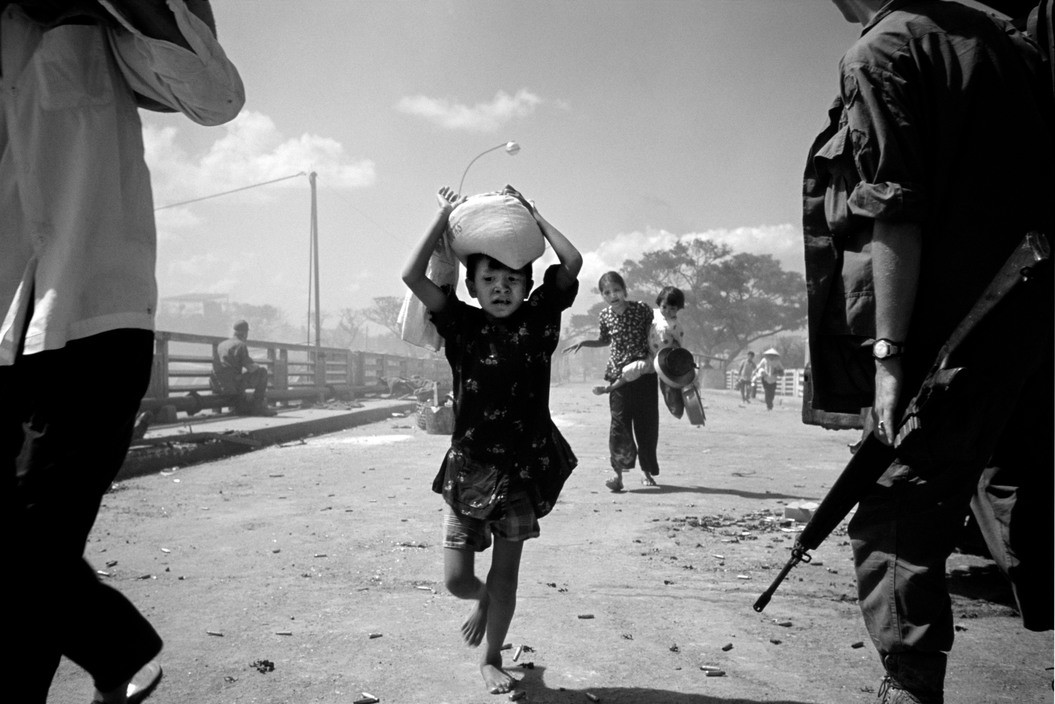
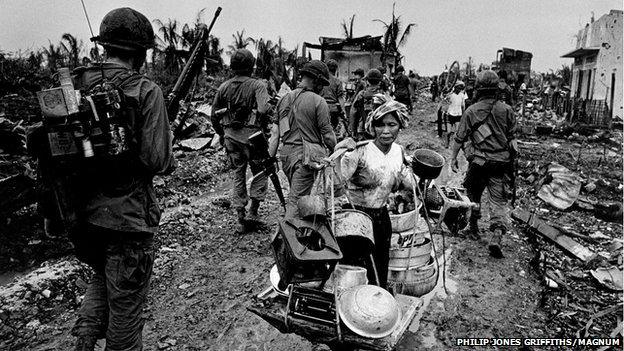

A powerful photojournalistic work about the Vietnam War and its consequences. The book documents not only the violence of war, but also its deep impact on Vietnamese people, families, landscapes, and society. It is presented as an anti-war statement and an important testimony to the human cost of conflict.
The Silence — Gilles Peress


A raw and emotional book about the Bosnian War. The images show destruction, suffering, and the silence surrounding atrocities. The title refers both to the silence of victims and to the silence of the international community. The book is described as an essential visual document on violence and human suffering.
Enfants d’Europe — David “Chim” Seymour
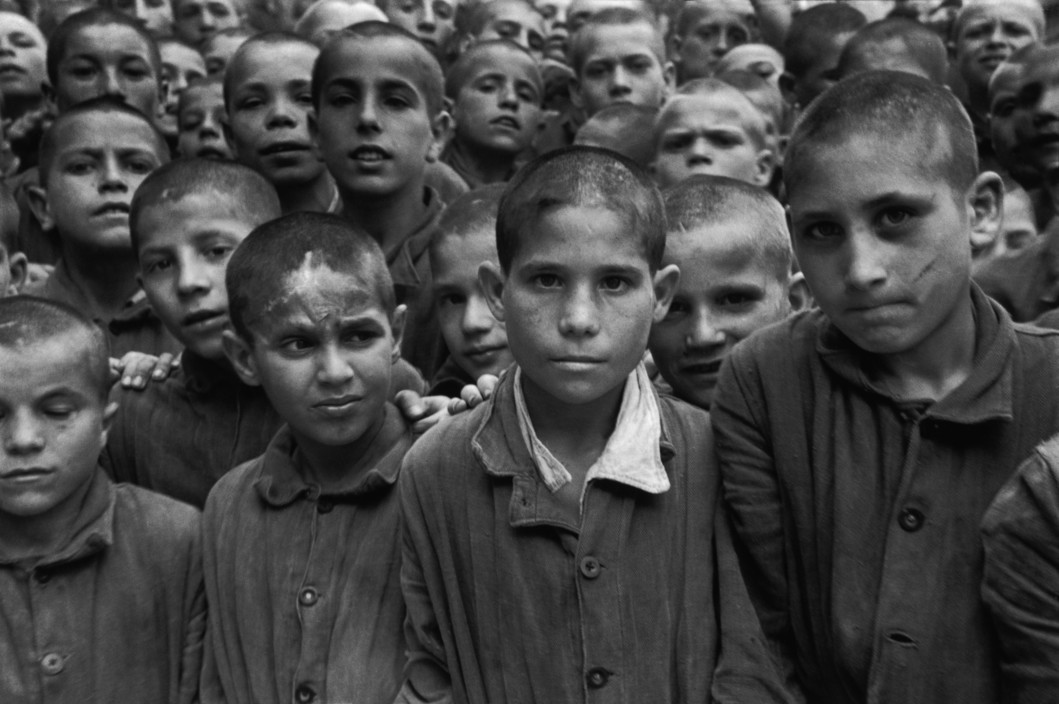

A moving photographic work about children in post-World War II Europe. The book captures children in countries such as France, Italy, Belgium, and Greece, showing their resilience, hope, and vulnerability during a period of reconstruction and trauma. It becomes both a historical document and a tribute to childhood.
Licht Über Hellas — Herbert List

A poetic black-and-white exploration of Greece. Herbert List photographed Greek ruins, landscapes, architecture, and people between the 1930s and 1950s. The book celebrates Greece’s light, culture, beauty, and timeless atmosphere, while also working as a historical visual record.
Paco, A Drug Story — Valerio Bispuri
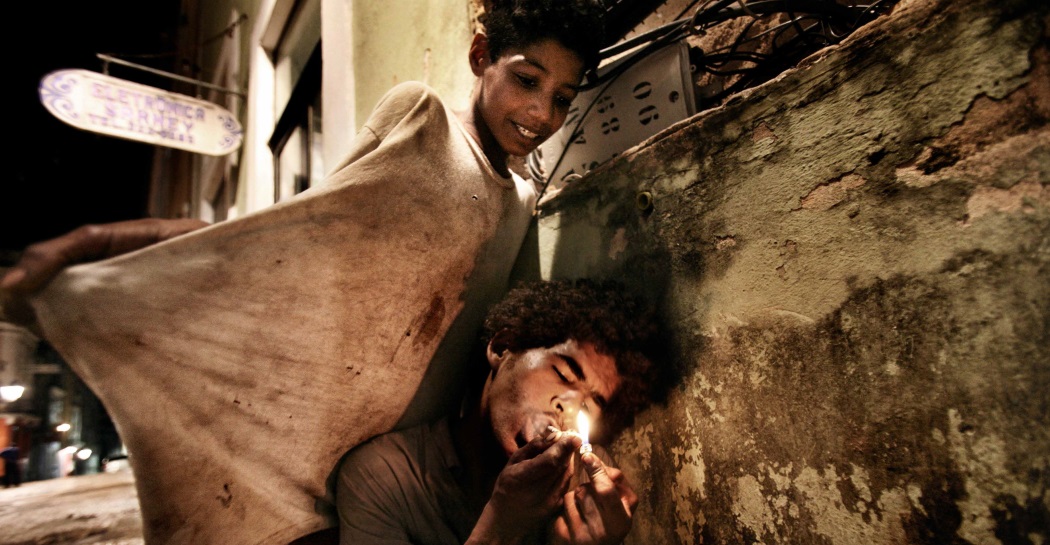
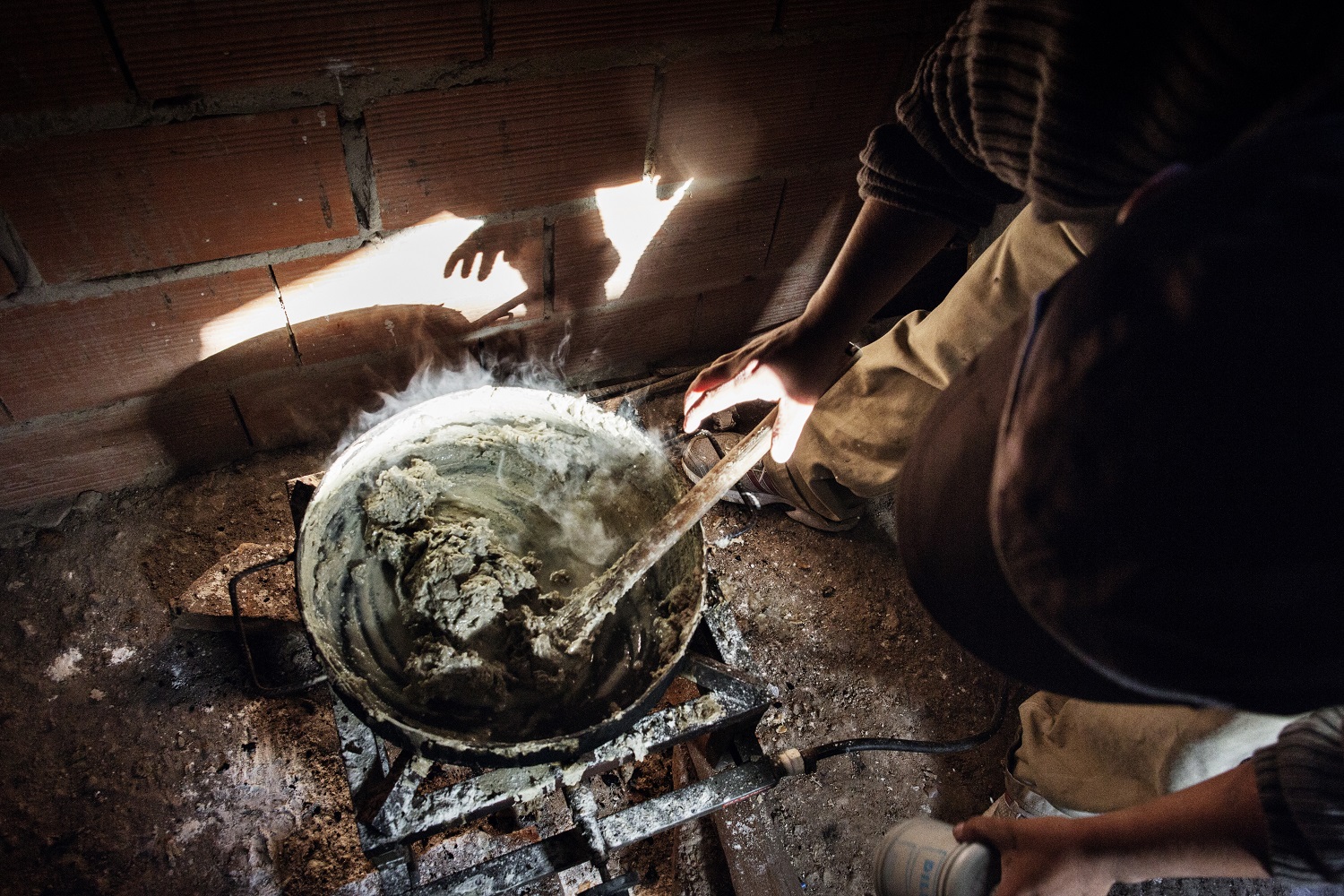
A strong documentary project about Paco, a cheap and destructive drug consumed in poor neighborhoods of Buenos Aires. The book shows the effects of addiction on individuals, families, and communities. It reflects on poverty, marginalization, inequality, and the social roots of drug dependency.
Stump — Christopher Anderson


A photographic exploration of life in a small town in the American Midwest. The book focuses on ordinary people, forgotten places, poverty, resilience, and community. It presents small-town America as a place full of humanity, struggle, dignity, and beauty.
-
The article presents photography books as windows into other realities. These books are not only beautiful objects or collections of images; they are tools to understand people, pain, history, inequality, survival, and resilience.
They remind us that photography can do more than show what something looks like. It can make us feel what it means to live through war, poverty, addiction, silence, childhood, or social abandonment.
Source checked: the article is titled “Inspirational Photography Books”, published by Emiliano Vittoriosi on January 15, 2023.
A simple reflection exercise
- Choose one image or idea from this article that stays with you.
- Describe what attracts you without using technical language.
- Identify one practical choice behind that feeling.
- Make a small shoot, edit or print that tests the same question.
- Write down what changed when the work became physical.
This turns #01 - inspirational photography books into a starting point rather than something consumed and forgotten.
Build a personal reference library
Keep notes about photographers, books, conversations, exhibitions and prints that influence you. Record the exact image, page or idea rather than only the title. Over time, repeated themes reveal what you genuinely care about.
Pair inspiration with production: for every reference saved, make a photograph, contact sheet, edit or print. The archive becomes useful when it changes the work.
Questions to carry forward
- What does this person or work pay attention to?
- Which choices feel deliberate rather than fashionable?
- What is gained by using film or making a print?
- How does collaboration change the result?
- Which part could be tested with the equipment already available?
There is no need to answer everything immediately. Good creative questions can remain active across many rolls.
Start with a clear baseline
Before making a decision about #01 - inspirational photography books, record what is already known. Note the film format, stock, ISO, camera, exposure conditions, processing request and scan type whenever they apply. A short written baseline prevents one unknown from being mistaken for another and makes advice from a laboratory or technician much more precise.
Change one variable at a time. If the film, camera, processing and scanning all change together, even a good result teaches very little. A repeatable comparison is slower for one roll but faster for learning.
Use evidence rather than the preview alone
A small phone preview is useful, but it is not the whole record behind #01 - inspirational photography books. Keep original scans, inspect physical film where relevant and compare complete sequences instead of one cropped frame. Frame edges, spacing, markings, density and repetition often reveal information that disappears in an edited JPEG.
When asking for help, send one full-resolution example and a photograph of the complete strip or object. Describe what is visible before naming the suspected cause.
A practical decision checklist
- Identify the exact format, product or camera model.
- Write down the intended result and where the image will be used.
- Separate capture, processing, scanning and editing decisions.
- Keep one normal reference instead of changing every variable.
- Save order details, frame numbers and original files.
- Ask questions before an irreversible step.
This checklist turns #01 - inspirational photography books from a guess into a process that can be repeated and improved.
Frequently asked questions about #01 - Inspirational Photography Books
What should I check first?
Identify the exact film, format, camera or file involved and write down what has already happened. A clear baseline makes the next decision more reliable and prevents several variables from being confused.
How can I use this article in my own photography?
Choose one idea that feels relevant, turn it into a small assignment and make or print a limited group of images. The goal is reflection followed by practice, not copying another person's style.
Should I keep the original material?
Yes. Keep negatives, original scans, order details and any useful packaging or notes. The original gives you the option to verify the cause, make a better scan or revisit the work later.
Related guides: #02 - Inspirational Photography Books.
Questions or feedback?
Send us a private message about this article. Your message will be collected in Shopify Forms for our team to review.
